Korean Beef Noodles An Incredible Ultimate Recipe
Oh boy, are you in for a treat! When I tell you that Korean Beef Noodles An Incredible Ultimate Recipe is not just a dish, but an absolute culinary revelation, I mean it with every fiber of my being. I’m talking about a meal that perfectly marries the rich, savory depth of tender beef with wonderfully chewy noodles, all enveloped in a sauce so vibrant and balanced, your taste buds will practically throw a party. What makes this recipe so incredibly ultimate? It’s the meticulous crafting of flavors – that magical sweet, savory, umami, and subtly spicy harmony that Korean cuisine is famous for, perfected to an art form.
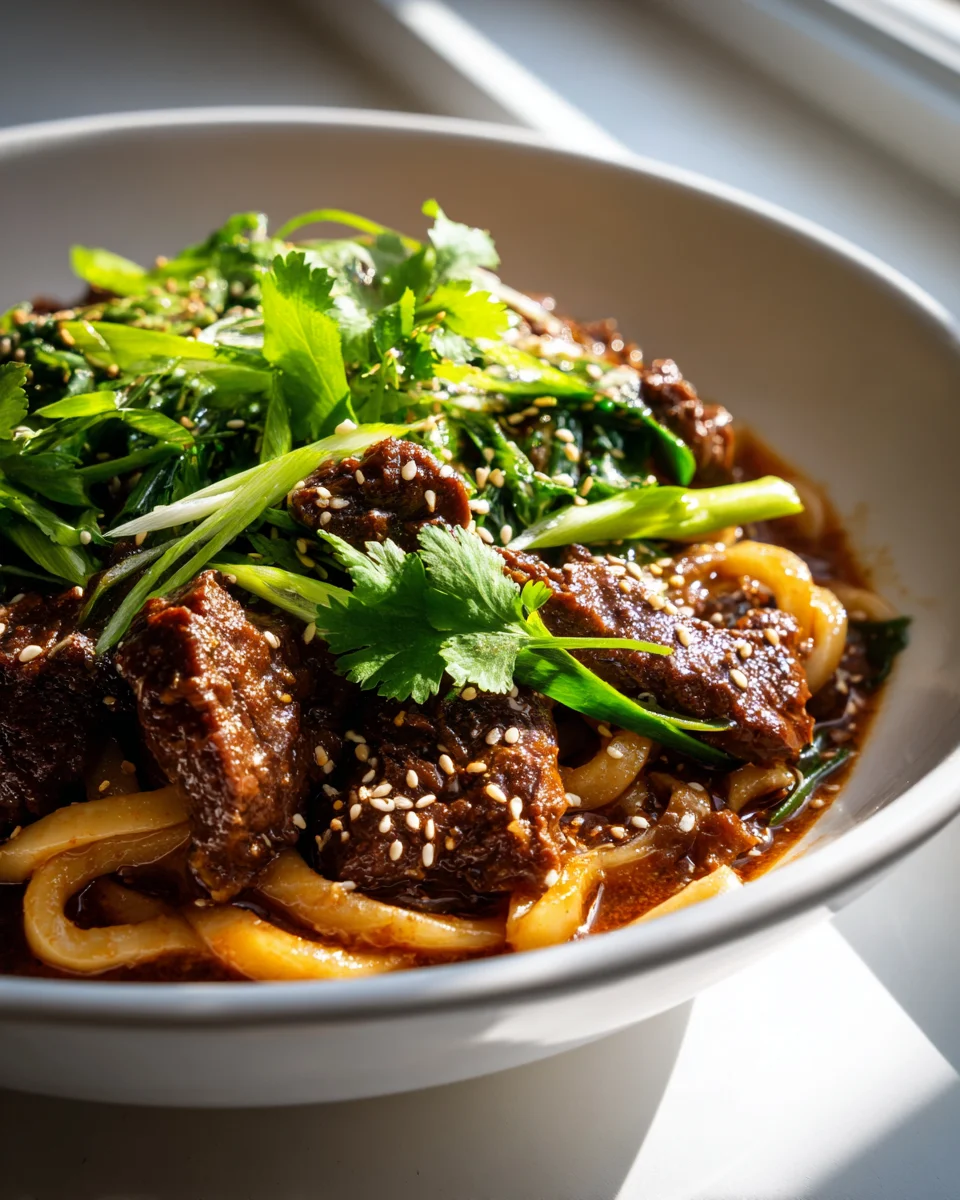
Trust me, you are going to absolutely adore this recipe. It’s the kind of hearty, comforting bowl that feels both incredibly satisfying and wonderfully gourmet, making it perfect for a cozy weeknight dinner or impressive enough for guests. Imagine succulent, thinly sliced beef, stir-fried until caramelized, then tossed with bouncy, chewy noodles and a colorful array of fresh vegetables. Everything is then coated in an aromatic, glossy sauce bursting with classic ingredients like soy sauce, sesame oil, fresh garlic, and a hint of sweetness. It’s a complete, flavorful meal in one bowl that’s surprisingly easy to pull together. Get ready to add a new favorite to your dinner rotation, because once you taste my Korean Beef Noodles, there’s no going back!

Ingredient Notes
Hello, fellow food lover! Get ready to dive into the incredible world of my ultimate Korean Beef Noodles. This recipe is a labor of love, designed to bring robust, savory, and perfectly balanced flavors right to your kitchen. Let’s talk about the stars of the show:
- Beef: For that melt-in-your-mouth tenderness, I highly recommend using thinly sliced beef sirloin, ribeye, or even tenderloin. The key is thinness – either buy it pre-sliced for stir-fries or partially freeze a cut and slice it yourself against the grain. Aim for strips about 1/4-inch thick. If you’re looking for a richer flavor, a slightly marbled cut like ribeye works wonders.
- Noodles: This is where we get to have some fun! For an “ultimate” experience, I absolutely love using fresh, medium-thick wheat noodles, similar to Udon or fresh Korean knife-cut noodles (kalguksu-style). Their chewiness and ability to absorb the rich sauce are just divine. If fresh isn’t available, dried Korean wheat noodles or even good quality dried Udon will do. For a lighter, slightly chewier alternative, you could also use Korean glass noodles (dangmyeon), but I find the wheat noodles give it a heartier feel.
- Aromatics: Garlic and fresh ginger are non-negotiable here. They lay the foundation for that unmistakable Korean flavor. Don’t skimp on these; they bring warmth and depth.
- Vegetables: I love a colorful mix! Thinly sliced yellow onion, vibrant bell peppers (red, yellow, or orange), and fresh spinach or baby bok choy are my go-to. Sliced shiitake mushrooms also add a wonderful umami depth. Feel free to incorporate other favorites like carrots, zucchini, or snow peas for added texture and nutrition.
- The Incredible Sauce: This is where the magic happens!
- Soy Sauce: Use a good quality regular or low-sodium soy sauce.
- Brown Sugar or Honey: For that perfect touch of sweetness that balances the savory notes.
- Sesame Oil: Toasted sesame oil is crucial for its nutty aroma and flavor. Add it at the end for maximum impact.
- Gochujang (Korean Chili Paste): For a savory, spicy kick and beautiful color. Adjust to your heat preference! If you prefer it mild, use less or skip it.
- Gochugaru (Korean Chili Flakes): Adds a different kind of heat and a lovely flecked appearance. Again, adjust as desired.
- Non-Alcoholic Cooking Liquid: I often use a splash of apple juice or a non-alcoholic cooking vinegar to add a subtle sweetness and tenderize the beef without any alcohol. It provides a nice depth of flavor.
- Black Pepper: Freshly ground makes a difference.
- Cornstarch: A small amount to thicken the sauce just slightly, ensuring it clings beautifully to the noodles and beef.
- Garnish: Toasted sesame seeds and freshly chopped green onions are a must for visual appeal and an extra layer of flavor.
Step-by-Step Instructions
Alright, let’s get cooking! Follow these steps for the most incredible Korean Beef Noodles you’ve ever made.
- Prepare the Beef: If your beef isn’t already thinly sliced, now’s the time. Partially freeze it for about 20-30 minutes, then slice it against the grain into thin strips, about 1/4-inch thick. In a medium bowl, combine the beef with 1 tablespoon of soy sauce, 1 teaspoon of non-alcoholic cooking liquid (like apple juice), 1 teaspoon of sesame oil, and a pinch of black pepper. Mix well and let it marinate for at least 15 minutes while you prepare other ingredients.
- Make the Ultimate Sauce: In a small bowl, whisk together the remaining soy sauce (about 3 tablespoons), 2 tablespoons of brown sugar or honey, 1-2 tablespoons of gochujang (depending on your spice preference), 1 teaspoon of gochugaru, 1 tablespoon of non-alcoholic cooking liquid, 1 teaspoon of minced garlic, and 1/2 teaspoon of grated fresh ginger. If using, mix in 1 teaspoon of cornstarch to prevent lumps. Set aside.
- Cook the Noodles: Bring a large pot of lightly salted water to a rolling boil. Add your chosen noodles and cook according to package directions until al dente. For fresh wheat noodles, this usually takes only 2-4 minutes. Drain well and rinse briefly with cold water to prevent sticking, then toss with a tiny drizzle of sesame oil. Set aside.
- Stir-Fry the Beef: Heat 1 tablespoon of neutral oil (like canola or vegetable oil) in a large wok or a heavy-bottomed skillet over medium-high heat until shimmering. Add the marinated beef in a single layer, making sure not to overcrowd the pan. Cook for 2-3 minutes, stirring occasionally, until browned and cooked through. Remove the beef from the pan and set aside.
- Sauté the Vegetables: Add another tablespoon of oil to the same pan. Add the sliced onions and bell peppers, and if using, the shiitake mushrooms. Stir-fry for 3-5 minutes until they start to soften but still retain a slight crispness. Add the remaining minced garlic and grated ginger, and stir-fry for another minute until fragrant. If using spinach or baby bok choy, add them now and stir-fry until just wilted.
- Combine and Finish: Return the cooked beef to the pan with the vegetables. Give your prepared Ultimate Sauce another quick whisk, then pour it over the beef and vegetables. Bring to a gentle simmer, stirring constantly, until the sauce thickens slightly and coats everything beautifully.
- Add the Noodles: Add the cooked and drained noodles to the pan. Using tongs, toss everything together gently until the noodles are thoroughly coated in the sauce and combined with the beef and vegetables. Cook for another 1-2 minutes to allow the flavors to meld and the noodles to warm through.
- Serve: Remove from heat, drizzle with an additional teaspoon of toasted sesame oil for extra aroma, and give it one final toss. Garnish generously with toasted sesame seeds and chopped green onions. Serve immediately and prepare for an incredible feast!
Tips & Suggestions
To truly elevate your Korean Beef Noodles to “ultimate” status, here are a few insider tips:
- Thin Slicing is Key: For the most tender beef, ensure it’s sliced as thinly as possible. Partially freezing it for 20-30 minutes before slicing against the grain makes this much easier. This helps the beef cook quickly and evenly, staying wonderfully tender.
- Don’t Overcrowd the Pan: When cooking the beef, work in batches if necessary. Overcrowding lowers the pan temperature, steaming the beef instead of searing it, which can make it less tender and flavorful.
- Noodle Texture Matters: Cook your noodles just until al dente. They’ll finish cooking in the sauce, so you want them slightly firm to start. Rinsing them quickly with cold water after draining helps prevent them from clumping together before you add them to the wok.
- Balance the Sauce: Always taste your sauce before adding it to the main dish. Adjust the sweetness, spice, and saltiness to your liking. If it’s too sweet, add a touch more soy sauce or gochujang. Too spicy? A little more sugar or a splash of water can mellow it out.
- Vary Your Veggies: Don’t be afraid to experiment with your favorite vegetables. Broccoli florets, snap peas, or even thin strips of cabbage would be delicious additions. Just remember to add them according to their cooking times – denser vegetables first, quick-cooking ones later.
- Extra Spice Kick: For those who love extra heat, consider a sprinkle of extra gochugaru on top when serving, or even a drizzle of chili oil.
- Serve Immediately: This dish is best enjoyed right after cooking when the noodles are perfectly coated, and the vegetables are still vibrant.
Storage
While these Korean Beef Noodles are truly best enjoyed fresh, I understand sometimes there are leftovers or you might want to meal prep. Here’s how to handle storage:
- Refrigeration: Leftovers should be stored in an airtight container in the refrigerator. They will keep well for up to 2-3 days. The noodles may absorb more of the sauce and become a bit softer over time, but the flavors will still be delicious.
- Reheating: For the best results, reheat the noodles gently on the stovetop in a skillet over medium-low heat. You might need to add a splash of water or a tiny bit more soy sauce to loosen the sauce and rehydrate the noodles. Stir occasionally until warmed through. You can also microwave them, but be careful not to overcook, as this can make the noodles mushy. Heat in 30-second intervals, stirring in between.
- Freezing: I generally do not recommend freezing the fully prepared noodle dish. Cooked noodles, especially wheat-based ones, can become very mushy and lose their desirable texture when frozen and thawed. The beef and sauce components would freeze well, but the noodles themselves are best fresh or just refrigerated. If you plan to freeze, it’s better to prepare the beef and sauce separately, freeze them, and then cook fresh noodles when you’re ready to serve.
Final Thoughts
Well, there you have it! We’ve journeyed through making what I truly believe is a masterpiece. Korean Beef Noodles An Incredible Ultimate Recipe isn’t just a meal; it’s an experience that brings the vibrant, comforting flavors of Korea right into your kitchen.
I promise you, every slurp of these perfectly coated noodles, every bite of the tender, savory beef, and every drop of that incredibly balanced sauce will make you understand why I call it “incredible” and “ultimate.” We’ve crafted this recipe to be approachable yet profound, ensuring that even if you’re new to Korean cooking, you’ll achieve spectacular results.
So, go ahead and give Korean Beef Noodles An Incredible Ultimate Recipe a try. Gather your loved ones, share this delightful dish, and prepare to be amazed. I’m confident it will become a cherished favorite in your culinary repertoire. Happy cooking!

Incredible Korean Beef Noodles Recipe: Your Ultimate Meal
- Total Time: 45 minutes
- Yield: 4 servings
Description
Experience the rich and savory flavors of Korean cuisine with these incredible beef noodles. Perfectly tender beef and chewy noodles are enveloped in a vibrant sauce that will delight your taste buds.
Ingredients
- Thinly sliced beef sirloin, ribeye, or tenderloin
- Fresh medium-thick wheat noodles (similar to Udon or kalguksu-style)
- Garlic
- Fresh ginger
- Thinly sliced yellow onion
- Bell peppers (red, yellow, or orange)
- Fresh spinach or baby bok choy
- Sliced shiitake mushrooms
- Carrots (optional)
- Zucchini (optional)
- Snow peas (optional)
- Soy Sauce
- Brown Sugar or Honey
- Toasted sesame oil
- Gochujang (Korean Chili Paste)
- Gochugaru (Korean Chili Flakes)
- Non-Alcoholic Cooking Liquid (like apple juice or non-alcoholic cooking vinegar)
- Black Pepper
- Cornstarch
- Toasted sesame seeds (for garnish)
- Freshly chopped green onions (for garnish)
Instructions
- Prepare the Beef: If your beef isn't already thinly sliced, partially freeze it for about 20-30 minutes, then slice it against the grain into thin strips, about 1/4-inch thick. In a medium bowl, combine the beef with 1 tablespoon of soy sauce, 1 teaspoon of non-alcoholic cooking liquid, 1 teaspoon of sesame oil, and a pinch of black pepper. Mix well and let it marinate for at least 15 minutes while you prepare other ingredients.
- Make the Ultimate Sauce: In a small bowl, whisk together the remaining soy sauce (about 3 tablespoons), 2 tablespoons of brown sugar or honey, 1-2 tablespoons of gochujang, 1 teaspoon of gochugaru, 1 tablespoon of non-alcoholic cooking liquid, 1 teaspoon of minced garlic, and 1/2 teaspoon of grated fresh ginger. If using, mix in 1 teaspoon of cornstarch to prevent lumps. Set aside.
- Cook the Noodles: Bring a large pot of lightly salted water to a rolling boil. Add your chosen noodles and cook according to package directions until al dente. For fresh wheat noodles, this usually takes only 2-4 minutes. Drain well and rinse briefly with cold water to prevent sticking, then toss with a tiny drizzle of sesame oil. Set aside.
- Stir-Fry the Beef: Heat 1 tablespoon of neutral oil in a large wok or a heavy-bottomed skillet over medium-high heat until shimmering. Add the marinated beef in a single layer, making sure not to overcrowd the pan. Cook for 2-3 minutes, stirring occasionally, until browned and cooked through. Remove the beef from the pan and set aside.
- Sauté the Vegetables: Add another tablespoon of oil to the same pan. Add the sliced onions and bell peppers, and if using, the shiitake mushrooms. Stir-fry for 3-5 minutes until they start to soften but still retain a slight crispness. Add the remaining minced garlic and grated ginger, and stir-fry for another minute until fragrant. If using spinach or baby bok choy, add them now and stir-fry until just wilted.
- Combine and Finish: Return the cooked beef to the pan with the vegetables. Give your prepared Ultimate Sauce another quick whisk, then pour it over the beef and vegetables. Bring to a gentle simmer, stirring constantly, until the sauce thickens slightly and coats everything beautifully.
- Add the Noodles: Add the cooked and drained noodles to the pan. Using tongs, toss everything together gently until the noodles are thoroughly coated in the sauce and combined with the beef and vegetables. Cook for another 1-2 minutes to allow the flavors to meld and the noodles to warm through.
- Serve: Remove from heat, drizzle with an additional teaspoon of toasted sesame oil for extra aroma, and give it one final toss. Garnish generously with toasted sesame seeds and chopped green onions. Serve immediately and prepare for an incredible feast!
- Prep Time: 15 mins
- Cook Time: 30 mins
- Category: Dinner
- Method: Stir-frying
- Cuisine: Korean
Nutrition
- Serving Size: 1 bowl
- Calories: 600
- Sugar: 10 g
- Sodium: 800 mg
- Fat: 20 g
- Saturated Fat: 3 g
- Unsaturated Fat: 15 g
- Trans Fat: 0 g
- Carbohydrates: 80 g
- Fiber: 5 g
- Protein: 30 g
- Cholesterol: 70 mg
Keywords: For the most tender beef, ensure it's sliced as thinly as possible. Partially freezing it for 20-30 minutes before slicing against the grain makes this much easier. Adjust the sweetness, spice, and saltiness of the sauce to your liking before adding it to the main dish.