Creamy Gochujang Udon Noodles
Oh my goodness, get ready to meet your new favorite comfort food obsession! I’m so excited to share this incredible recipe with you.
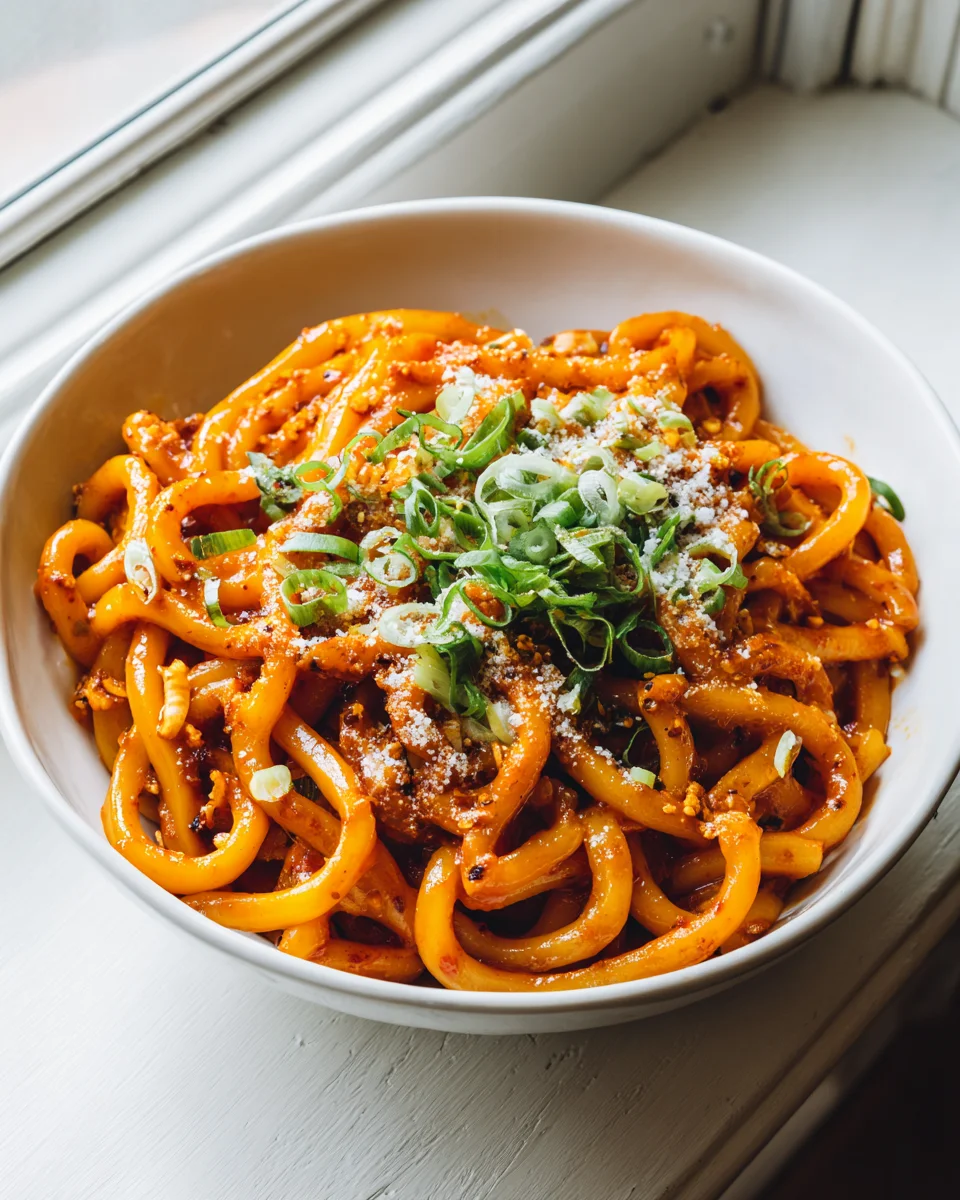
Creamy Gochujang Udon Noodles takes everything you love about chewy, slurpable udon and elevates it with an unbelievably rich, spicy-sweet gochujang sauce. Imagine plump, thick udon noodles bathed in a vibrant, velvety sauce that has just the right kick from Korean chili paste, balanced beautifully with creaminess and a hint of savory depth. We’re talking about a dish that perfectly marries the satisfying chew of udon with the bold, complex flavors of gochujang, creating something truly magical in every bite. It’s a delightful fusion that hits all the right notes – spicy, sweet, savory, and wonderfully comforting.
I know you’re going to absolutely adore this recipe because it’s not just incredibly delicious, it’s also surprisingly quick and easy to whip up, making it perfect for those busy weeknights when you crave something extraordinary without all the fuss. We’ll be using tender slices of beef, which add a fantastic heartiness to the dish, soaking up all that incredible sauce. Forget complicated steps; this dish comes together in a flash, delivering restaurant-quality flavor right in your own kitchen. It’s the kind of meal that feels indulgent but is simple enough for anyone to master. Trust me, once you try this creamy, spicy, utterly satisfying bowl of noodles, you’ll be making it again and again!

Ingredient Notes
Hey there, fellow food lover! Let’s talk about the key ingredients for our Creamy Gochujang Udon Noodles. This dish excels with a balance of spicy, savory, and creamy flavors – knowing your ingredients and their roles is vital!
- Udon Noodles: The star! Opt for fresh or frozen udon for best chewiness; they cook quickly. Dried udon works, but fresh/frozen texture is superior. Thick ramen or linguine are acceptable substitutes if udon is unavailable.
- Gochujang (Korean Chili Paste): The absolute heart and soul of this recipe, providing its unique sweet, savory, and spicy Korean flavor. Adjust to your spice preference. Finding gochujang is crucial as there’s no perfect substitute.
- Heavy Cream: Essential for that luxurious, creamy sauce, mellowing the gochujang’s spice. Half-and-half can be used for a lighter version. Full-fat coconut milk is a dairy-free option, but will add a coconut flavor.
- Protein (Beef Recommended): Thinly sliced beef (sirloin, ribeye) is fantastic. Ground beef, chicken, shrimp, or firm tofu/mushrooms are great alternatives to make it a complete meal.
- Aromatics: Garlic & Onion (or Shallots): Crucial for building the flavor base.
- Soy Sauce: For umami and seasoning. Use tamari for gluten-free.
- Sugar: A pinch balances the gochujang’s heat and the sauce’s savoriness.
- Broth: Chicken or vegetable broth adds depth.
- Oil: Neutral oil for sautéing.
- Garnish (Optional): Toasted sesame seeds, green onions, and crushed roasted seaweed enhance flavor and presentation.
Step-by-Step Instructions
Alright, let’s get cooking! This dish comes together quickly, perfect for a weeknight. Follow these steps for delicious Creamy Gochujang Udon Noodles!
- Prep Ingredients: Mince garlic, chop onion/shallots, and thinly slice beef. Measure out gochujang, soy sauce, sugar, broth, and cream.
- Cook Beef: Heat 1 tbsp oil in a large skillet over medium-high heat. Cook beef until browned, 3-5 minutes. Remove and set aside, leaving drippings.
- Sauté Aromatics: Reduce heat to medium. Add a splash more oil if needed. Sauté onion/shallots for 3-4 minutes until softened. Add minced garlic and cook 1 minute until fragrant.
- Build Sauce Base: Stir in gochujang, soy sauce, and sugar. Cook for 1-2 minutes, stirring constantly, to lightly toast the gochujang and deepen its flavor.
- Add Liquids & Cream: Pour in broth, scraping up browned bits. Bring to a gentle simmer. Stir in heavy cream. Let sauce gently bubble for 2-3 minutes to thicken slightly and meld flavors. Taste and adjust seasoning.
- Prepare Udon: While sauce simmers, cook udon noodles per package directions (fresh/frozen often need 1-2 minutes boil). Drain well.
- Combine & Serve: Return cooked beef to the skillet with the sauce. Add drained udon noodles. Toss everything with tongs until fully coated. If adding quick-cooking vegetables like spinach, stir in now until just wilted.
- Garnish & Enjoy: Transfer to bowls. Garnish generously with toasted sesame seeds, green onions, and crushed roasted seaweed. Serve immediately!
Tips & Suggestions
Making Creamy Gochujang Udon Noodles is satisfying, and these tips will help you perfect your dish every time!
- Adjust Spice: Start with the recommended gochujang and add more if you prefer a fiery kick, or less for milder warmth. Chili oil at serving can also boost heat.
- Don’t Overcook Udon: Fresh/frozen udon can turn mushy quickly. Boil only 1-2 minutes to separate and heat through, ensuring a chewy texture.
- Customize Protein & Veggies: This recipe is versatile. Try sliced chicken, shrimp, ground beef, or pan-fried tofu. Add mushrooms, bell peppers, or bok choy. Harder veggies go in with aromatics, soft greens at the end.
- Perfect Creaminess: If sauce is too thick, thin with more broth/water. If too thin, simmer longer to reduce, or add a cornstarch slurry (1 tsp cornstarch + 1 tbsp cold water) and simmer to thicken.
- Enhance Umami: For deeper savory flavor, consider a tiny splash of fish sauce or a pinch of mushroom powder.
- Serving Ideas: Top with a fried egg (runny yolk!), or serve with kimchi or pickled daikon for extra tang.
- “Toast” the Gochujang: Cooking gochujang with aromatics for a minute deepens its flavor and reduces any raw taste, resulting in a more robust sauce.
Storage
Here’s how I store my Creamy Gochujang Udon Noodles to keep them tasting great for leftovers or meal prep!
- Cool Completely: Always let noodles and sauce cool to room temperature before storing. This prevents sogginess and maintains food safety.
- Airtight Container: Transfer leftovers to an airtight container. This keeps them fresh and prevents drying or odor absorption.
- Refrigeration: They’ll keep well in the refrigerator for up to 3 days. Expect noodles to absorb sauce and soften slightly over time.
- Reheating:
- Microwave: Place in a microwave-safe bowl. Add 1-2 tablespoons of water, broth, or milk to rehydrate the sauce. Heat on medium until warmed, stirring halfway.
- Stovetop: My preferred method! Transfer to a skillet over medium-low heat. Add a splash of water, broth, or milk. Stir gently until warmed through. This helps restore the creamy consistency.
- Freezing? Not Recommended: Udon noodles, especially fresh/frozen, tend to become mushy after freezing and thawing. The creamy sauce can also separate. Best enjoyed fresh or from the fridge.
Final Thoughts
And there you have it! My go-to recipe for the absolutely irresistible Creamy Gochujang Udon Noodles. I truly believe this dish is more than just a meal; it’s an experience. The way the fiery depth of gochujang marries perfectly with the rich, creamy sauce, coating every single plump, chewy udon noodle, is nothing short of magical. It’s a symphony of sweet, spicy, and savory that hits all the right notes, providing a comfort that’s both deeply satisfying and incredibly exciting.
Whether you’re looking for a quick weeknight dinner that feels gourmet, or a special treat to warm your soul, these Creamy Gochujang Udon Noodles are a must-try. With the delicious adaptability for tender beef and easy non-alcohol alternatives, it’s a dish that truly caters to everyone. I promise you, once you taste the vibrant, creamy goodness of these noodles, you’ll be adding this recipe to your regular rotation. Dig in and enjoy every incredible bite!

Best Creamy Gochujang Udon Noodles | Spicy Korean Pasta
- Total Time: 30 minutes
- Yield: 4 servings
Description
Indulge in the rich, spicy-sweet flavors of Creamy Gochujang Udon Noodles, a delightful fusion of chewy udon and a velvety sauce. This quick and easy recipe is perfect for busy weeknights when you crave something extraordinary.
Ingredients
- Udon Noodles
- Gochujang (Korean Chili Paste)
- Heavy Cream
- Protein (Beef Recommended)
- Aromatics: Garlic & Onion (or Shallots)
- Soy Sauce
- Sugar
- Broth (Chicken or Vegetable)
- Oil (Neutral oil for sautéing)
- Garnish (Optional): Toasted sesame seeds, green onions, and crushed roasted seaweed
Instructions
- Prep Ingredients: Mince garlic, chop onion/shallots, and thinly slice beef. Measure out gochujang, soy sauce, sugar, broth, and cream.
- Cook Beef: Heat 1 tbsp oil in a large skillet over medium-high heat. Cook beef until browned, 3-5 minutes. Remove and set aside, leaving drippings.
- Sauté Aromatics: Reduce heat to medium. Add a splash more oil if needed. Sauté onion/shallots for 3-4 minutes until softened. Add minced garlic and cook 1 minute until fragrant.
- Build Sauce Base: Stir in gochujang, soy sauce, and sugar. Cook for 1-2 minutes, stirring constantly, to lightly toast the gochujang and deepen its flavor.
- Add Liquids & Cream: Pour in broth, scraping up browned bits. Bring to a gentle simmer. Stir in heavy cream. Let sauce gently bubble for 2-3 minutes to thicken slightly and meld flavors. Taste and adjust seasoning.
- Prepare Udon: While sauce simmers, cook udon noodles per package directions (fresh/frozen often need 1-2 minutes boil). Drain well.
- Combine & Serve: Return cooked beef to the skillet with the sauce. Add drained udon noodles. Toss everything with tongs until fully coated. If adding quick-cooking vegetables like spinach, stir in now until just wilted.
- Garnish & Enjoy: Transfer to bowls. Garnish generously with toasted sesame seeds, green onions, and crushed roasted seaweed. Serve immediately!
- Prep Time: 15 mins
- Cook Time: 15 mins
- Category: Dinner
- Method: Sautéing
- Cuisine: Korean
Nutrition
- Serving Size: 1 bowl
- Calories: 600
- Sugar: 5 g
- Sodium: 800 mg
- Fat: 30 g
- Saturated Fat: 15 g
- Unsaturated Fat: 10 g
- Trans Fat: 0 g
- Carbohydrates: 70 g
- Fiber: 3 g
- Protein: 20 g
- Cholesterol: 70 mg
Keywords: Adjust spice by starting with the recommended gochujang and adding more if desired. Don't overcook udon to maintain chewiness, and customize protein and veggies as per your preference.