
Tan Tan Ramen
Are you ready to dive into a bowl of pure comfort and exhilarating flavor? Tan Tan Ramen is, without a doubt, one of my absolute favorite ramen dishes to make at home, and I know it’ll become one of yours too! What makes this recipe so utterly special and why you’ll absolutely love it is that incredible broth – it’s a symphony of flavors: deeply savory, wonderfully creamy, with a delightful nutty undertone from sesame paste, and a perfect kick of spicy chili.
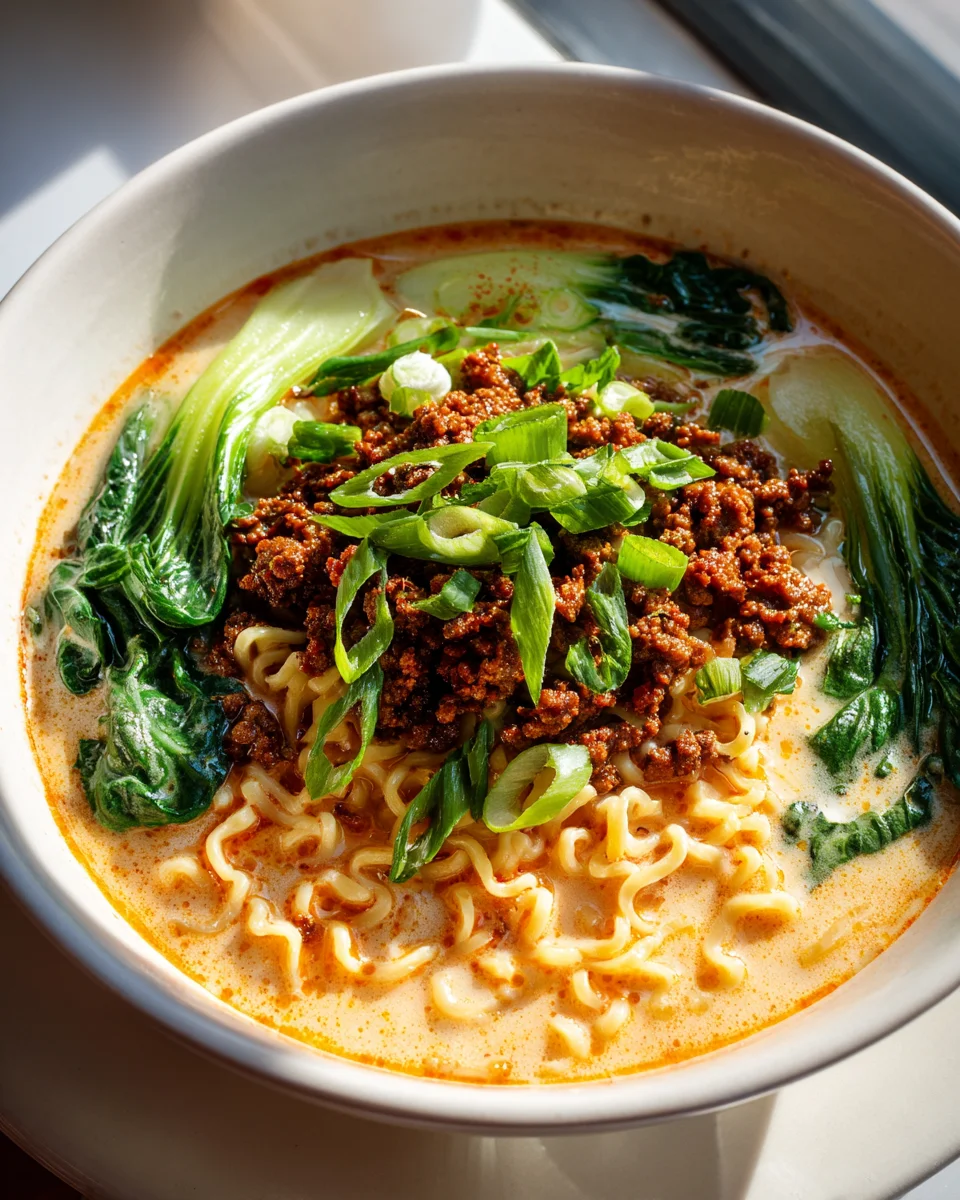
This isn’t just any ramen; it’s a vibrant, deeply satisfying experience in a bowl. Imagine perfectly cooked, springy ramen noodles swimming in that glorious, complex broth, topped generously with succulent, seasoned ground beef and crisp, fresh garnishes. It’s a dish that warms you from the inside out, offering layers of texture and taste in every single slurp. While it might seem like a restaurant-only treat, I’m here to show you how straightforward it is to recreate this masterpiece in your own kitchen, using readily available ingredients and a few clever tricks to ensure every spoonful is bursting with authentic taste. Get ready for a ramen experience that’s truly unforgettable!

Ingredient Notes
Creating a truly authentic and delicious Tan Tan Ramen starts with understanding the unique role each ingredient plays. This isn’t just any ramen; it’s a symphony of spicy, nutty, and savory flavors that are quite distinct. Let’s dive into the key players and some helpful substitutions.
The Broth & Flavor Base
- Beef Broth: While many ramen recipes call for chicken or pork, for our Tan Tan Ramen, a good quality beef broth is your foundation. I recommend using a low-sodium variety so you can control the saltiness yourself. If you’re vegetarian, a rich vegetable broth works beautifully too.
- Tahini (Sesame Paste): This is arguably the most crucial ingredient for that signature creamy, nutty flavor of Tan Tan Ramen. Look for pure tahini made from roasted sesame seeds. The quality really makes a difference here, so choose a brand with good flavor and a smooth consistency.
- Chili Bean Paste (Doubanjiang): This fermented broad bean and chili paste provides a deep, savory, and spicy umami kick. It’s truly essential for the authentic taste of Tan Tan. You can find it at Asian grocery stores.
- Chili Oil (Layu): A generous drizzle of fragrant chili oil is non-negotiable for Tan Tan. You can use store-bought, but making your own with dried chilies, Sichuan peppercorns, and aromatics will elevate the dish significantly.
- Sichuan Peppercorns: For that famous ‘mala’ (numbing and spicy) sensation that’s characteristic of Sichuan cuisine, a touch of ground Sichuan peppercorns is key. Toast them lightly and grind them yourself for the freshest flavor.
- Soy Sauce: I use a good quality regular or light soy sauce for savory depth.
- Non-Alcoholic Alternatives: Where traditional recipes might call for sake or mirin, I opt for non-alcoholic substitutes. A splash of a good quality beef or vegetable broth can add depth, or a teaspoon of rice vinegar mixed with a pinch of sugar can mimic the slight sweetness and acidity that mirin provides.
The Spicy Beef Topping
- Minced Beef: Instead of the traditional minced pork, we’re using lean minced beef for our spicy topping. It browns beautifully and absorbs all the fantastic flavors. Aim for 80/20 lean-to-fat ratio for good flavor without being overly greasy.
- Ginger and Garlic: Freshly minced ginger and garlic are the aromatic backbone of the beef topping. Don’t skimp on these!
Noodles & Garnishes
- Ramen Noodles: Fresh ramen noodles are always my top choice for their chewiness and texture. Look for them in the refrigerated section of Asian markets. If fresh aren’t available, good quality dried ramen noodles will work.
- Bok Choy: Lightly blanched baby bok choy adds a touch of green and a refreshing crunch.
- Scallions: Thinly sliced scallions are a must for freshness and a mild oniony bite.
- Optional Garnishes: A soft-boiled egg, extra chili oil, or a sprinkle of toasted sesame seeds can further enhance your bowl.
Step-by-Step Instructions
Making Tan Tan Ramen might seem like a multi-step process, but breaking it down makes it completely manageable. I promise, the effort is well worth the incredible flavor!
1. Prepare the Spicy Beef Topping (Soboro)
- Sauté Aromatics: Heat a tablespoon of vegetable oil in a skillet or wok over medium-high heat. Add 1 tablespoon of finely minced fresh ginger and 2 cloves of finely minced garlic. Sauté for about 30 seconds until fragrant, being careful not to burn them.
- Cook the Beef: Add about 1 pound of lean minced beef to the skillet. Break it up with a spoon and cook until browned all over, crumbling it as it cooks. Drain any excess fat.
- Season the Beef: Stir in 2 tablespoons of chili bean paste (doubanjiang), 2 tablespoons of soy sauce, 1 tablespoon of your non-alcoholic alternative (beef broth or rice vinegar + sugar), 1 teaspoon of ground Sichuan peppercorns, and 1 teaspoon of chili oil. Cook for another 5-7 minutes, stirring occasionally, until the liquid has mostly evaporated and the beef is deeply flavorful and slightly caramelized. Set aside.
2. Craft the Creamy Broth Base
- Combine the Flavor Paste: In a large, heat-proof serving bowl (or directly in individual serving bowls if making one or two servings), combine the following: 3 tablespoons of tahini, 2 tablespoons of soy sauce, 2 teaspoons of rice vinegar (if not already used as a non-alcoholic alternative), 1-2 tablespoons of chili oil (adjust to your spice preference), ½ teaspoon of ground Sichuan peppercorns, and ½ teaspoon of sugar. Whisk these ingredients together until you have a smooth, thick paste.
3. Heat and Emulsify the Broth
- Heat Broth: In a saucepan, bring about 4 cups of beef broth to a gentle simmer over medium heat.
- Combine with Paste: Gradually ladle about 1 to 1 ½ cups of the hot beef broth into the tahini paste mixture in your serving bowl. Whisk continuously and vigorously as you add the broth. This is crucial for emulsifying the tahini and creating a smooth, creamy, and non-clumpy broth. You want it to be perfectly blended.
- Taste and Adjust: Taste your broth and adjust seasonings as needed. You might want more soy sauce, chili oil, or a pinch more sugar. Keep it warm.
4. Cook Noodles & Garnishes
- Cook Noodles: Bring a large pot of water to a rolling boil. Add your fresh ramen noodles and cook according to package directions, typically 1-2 minutes for fresh noodles, or 3-4 for dried. They should be al dente.
- Blanch Bok Choy: While the noodles are cooking (or in a separate pot), quickly blanch a handful of baby bok choy in boiling water for about 30 seconds until bright green and slightly tender-crisp. Drain well.
5. Assemble Your Tan Tan Ramen
- Drain Noodles: Once cooked, thoroughly drain the ramen noodles.
- Assemble: Place the drained noodles into the serving bowl with the prepared creamy broth. Use chopsticks or tongs to gently loosen and separate the noodles.
- Top Generously: Spoon a generous amount of the spicy beef topping over the noodles.
- Garnish: Arrange the blanched bok choy alongside the beef. Garnish with a sprinkle of freshly chopped scallions and, if you like, an extra drizzle of chili oil or ground Sichuan peppercorns. If using, add a soft-boiled egg.
- Serve Immediately: Serve your Tan Tan Ramen immediately and enjoy the complex layers of flavor!
Tips & Suggestions
I’ve made Tan Tan Ramen countless times, and I’ve picked up a few tricks to ensure it’s always delicious. Here are my top tips and suggestions to help you achieve ramen perfection!
- Emulsification is Key: Don’t rush the process of mixing the hot broth into your tahini paste. Whisking vigorously and gradually will prevent the tahini from clumping and ensure a silky, smooth, and creamy broth. It’s the secret to that luscious texture.
- Spice Level Customization: Tan Tan Ramen is known for its kick. I encourage you to adjust the amount of chili oil, chili bean paste, and ground Sichuan peppercorns to your personal preference. Start with the suggested amounts and add more if you like things extra spicy and numbing!
- Quality of Tahini: Seriously, a good quality tahini makes a world of difference. It should be smooth, pourable (after a good stir), and have a rich, nutty flavor without bitterness. If your tahini is very thick, you might need a tiny bit more hot broth to fully emulsify it.
- Fresh Noodles Rule: While dried ramen noodles are convenient, fresh ramen noodles offer a superior chew and texture that truly elevates the dish. If you can find them, go for fresh!
- Don’t Skimp on Aromatics: Freshly minced ginger and garlic in the beef topping are essential for building a deep, aromatic flavor base. Avoid pre-minced versions if possible; the fresh stuff is always best.
- Serve Immediately: Ramen is a dish best enjoyed hot and fresh. The noodles can become soggy if left in the broth for too long, so gather your eaters around as soon as it’s assembled.
- Homemade Chili Oil: If you’re feeling ambitious, making your own chili oil is a fantastic way to add incredible depth and aroma. It’s not difficult and stores well, ready for your next ramen craving.
- Extra Umami Boost: For an even deeper savory flavor, a tiny splash of a non-alcoholic Worcestershire sauce or a pinch of mushroom powder can be added to the beef topping or even the broth.
Storage
While Tan Tan Ramen is best enjoyed fresh, you can certainly prepare components ahead of time to make future meals quicker and easier. I generally don’t recommend storing assembled ramen, as the noodles will become soggy and the texture will suffer.
- Spicy Beef Topping: The prepared spicy minced beef can be stored in an airtight container in the refrigerator for up to 3-4 days. It also freezes exceptionally well for up to 2-3 months. Thaw in the refrigerator overnight before reheating gently in a pan.
- Broth Base (Unmixed): You can pre-measure and combine the tahini paste ingredients (tahini, soy sauce, rice vinegar, chili oil, Sichuan pepper, sugar) in a jar. Store this concentrated paste in the refrigerator for up to a week. When ready to serve, simply heat your beef broth and whisk it into this paste as per the instructions.
- Cooked Beef Broth: Leftover plain beef broth can be stored in an airtight container in the refrigerator for up to 3-4 days or frozen for up to 3 months.
- Noodles: Cooked ramen noodles are best used immediately. If you have some leftover, rinse them under cold water, toss lightly with a tiny bit of sesame oil to prevent sticking, and store in an airtight container in the fridge for no more than 1 day. They won’t be as good as fresh, but they’re still usable.
- Reheating: To reheat the beef topping, gently warm it in a pan over medium-low heat. Reheat the broth (plain or mixed concentrate with hot broth) on the stovetop until simmering. Then cook fresh noodles and assemble as usual.
Final Thoughts
And there you have it! Crafting this Tan Tan Ramen from scratch has been a truly rewarding experience, and I sincerely hope you found joy in preparing and savoring every spoonful. This isn’t just any ramen; it’s a symphony of flavors that stands out beautifully.
What makes Tan Tan Ramen a definite must-try is its uniquely comforting yet vibrant profile. The broth, a masterpiece of creamy, nutty sesame paste perfectly balanced with a delightful kick of spice, is utterly captivating. Combined with the deeply savory and aromatic beef topping, and those wonderfully springy noodles, it creates an unparalleled eating experience. The depth of flavor, achieved through carefully selected ingredients and non-alcohol alternatives, ensures a rich and complex taste that truly sings.
I find Tan Tan Ramen to be incredibly satisfying and surprisingly accessible to make at home. It’s a dish that warms your soul, excites your palate, and offers a delicious escape. I wholeheartedly encourage you to dive in and experience the magic of this incredible bowl for yourself. You’re in for a real treat!

Beef Tan Tan Ramen: Spicy, Creamy, & Non-Alcoholic Delight
- Total Time: 45 minutes
- Yield: 4 servings 1x
Description
Dive into a bowl of Tan Tan Ramen, a comforting dish with a creamy, nutty broth and a spicy beef topping. This recipe is straightforward and bursting with authentic flavors, perfect for a satisfying meal at home.
Ingredients
- 4 cups beef broth
- 3 tablespoons tahini (sesame paste)
- 2 tablespoons chili bean paste (doubanjiang)
- 2 tablespoons soy sauce
- 1 tablespoon non-alcoholic alternative (beef broth or rice vinegar + sugar)
- 1 teaspoon ground Sichuan peppercorns
- 1 teaspoon chili oil
- 1 pound lean minced beef
- 1 tablespoon vegetable oil
- 1 tablespoon finely minced fresh ginger
- 2 cloves finely minced garlic
- Ramen noodles (fresh or dried)
- Baby bok choy
- Scallions
- Optional garnishes: soft-boiled egg, extra chili oil, toasted sesame seeds
Instructions
- 1. Prepare the Spicy Beef Topping (Soboro): Heat a tablespoon of vegetable oil in a skillet or wok over medium-high heat. Add 1 tablespoon of finely minced fresh ginger and 2 cloves of finely minced garlic. Sauté for about 30 seconds until fragrant, being careful not to burn them.
- 2. Cook the Beef: Add about 1 pound of lean minced beef to the skillet. Break it up with a spoon and cook until browned all over, crumbling it as it cooks. Drain any excess fat.
- 3. Season the Beef: Stir in 2 tablespoons of chili bean paste (doubanjiang), 2 tablespoons of soy sauce, 1 tablespoon of your non-alcoholic alternative (beef broth or rice vinegar + sugar), 1 teaspoon of ground Sichuan peppercorns, and 1 teaspoon of chili oil. Cook for another 5-7 minutes, stirring occasionally, until the liquid has mostly evaporated and the beef is deeply flavorful and slightly caramelized. Set aside.
- 4. Craft the Creamy Broth Base: In a large, heat-proof serving bowl, combine 3 tablespoons of tahini, 2 tablespoons of soy sauce, 2 teaspoons of rice vinegar, 1-2 tablespoons of chili oil, ½ teaspoon of ground Sichuan peppercorns, and ½ teaspoon of sugar. Whisk these ingredients together until you have a smooth, thick paste.
- 5. Heat and Emulsify the Broth: In a saucepan, bring about 4 cups of beef broth to a gentle simmer over medium heat. Gradually ladle about 1 to 1 ½ cups of the hot beef broth into the tahini paste mixture in your serving bowl. Whisk continuously and vigorously as you add the broth. Taste your broth and adjust seasonings as needed. Keep it warm.
- 6. Cook Noodles & Garnishes: Bring a large pot of water to a rolling boil. Add your fresh ramen noodles and cook according to package directions. While the noodles are cooking, quickly blanch a handful of baby bok choy in boiling water for about 30 seconds until bright green and slightly tender-crisp. Drain well.
- 7. Assemble Your Tan Tan Ramen: Once cooked, thoroughly drain the ramen noodles. Place the drained noodles into the serving bowl with the prepared creamy broth. Spoon a generous amount of the spicy beef topping over the noodles. Arrange the blanched bok choy alongside the beef. Garnish with a sprinkle of freshly chopped scallions and, if you like, an extra drizzle of chili oil or ground Sichuan peppercorns. Serve your Tan Tan Ramen immediately.
- Prep Time: 15 mins
- Cook Time: 30 mins
- Category: Dinner
- Method: Cooking
- Cuisine: Asian
Nutrition
- Serving Size: 1 bowl
- Calories: 600
- Sugar: 5 g
- Sodium: 800 mg
- Fat: 30 g
- Saturated Fat: 10 g
- Unsaturated Fat: 15 g
- Trans Fat: 0 g
- Carbohydrates: 50 g
- Fiber: 3 g
- Protein: 35 g
- Cholesterol: 80 mg
Keywords: Emulsification is key for a smooth broth. Adjust spice levels to your preference, and use fresh ingredients for the best flavor.