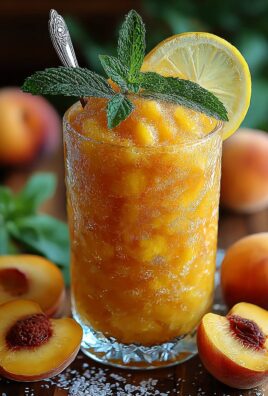
Classic Homemade Orange Candy Recipe
Oh, how I adore making these! There’s just something magical about transforming simple ingredients into a vibrant, chewy, and utterly delightful treat. This isn’t just any candy; it’s a little burst of sunshine, a concentrated hug of fresh orange flavor that dances on your tongue.
What makes this Classic Homemade Orange Candy Recipe so special, you ask? Well, it’s the incredible purity of the orange taste – thanks to using real orange juice and plenty of zest – combined with that satisfyingly chewy texture that you just can’t find in most store-bought confections. It reminds me of the good old days, a truly old-fashioned sweet that brings a smile to everyone’s face.
You, my friend, are going to absolutely love making these. Imagine the scent of fresh oranges filling your kitchen as you stir the mixture, anticipating the moment you get to taste your very own creation. They’re perfect for gifting, a lovely after-dinner sweet, or simply a joyful indulgence when that sweet craving hits. We’ll be simmering down fresh orange juice and zest with sugar until it reaches that perfect consistency, then letting it set into beautiful, shimmering little squares or wedges. Get ready to experience the pure joy of homemade candy!

Ingredient Notes
Crafting these classic homemade orange candies is a delightful experience, and the right ingredients are key to their vibrant flavor and perfect texture. Here’s a breakdown of what you’ll need and some helpful substitutions I’ve discovered along my candy-making journey.
- Granulated Sugar: This is the backbone of our candy. I always use a good quality granulated sugar for a clear, sweet base. There isn’t really a substitute here that will yield the same hard candy result, so stick with the classic!
- Water: Simple tap water works perfectly to dissolve the sugar and create the syrup. Make sure it’s clean and fresh.
- Freshly Squeezed Orange Juice: This is where the magic truly happens! Using freshly squeezed orange juice provides an unparalleled bright, natural orange flavor that simply can’t be replicated by bottled alternatives. I find that about 2-3 medium oranges usually give me enough juice.
- Orange Zest: For an extra burst of aromatic orange intensity, don’t skip the zest! The oils in the zest provide a deeper, more complex orange flavor profile that truly elevates the candy. Just be sure to zest only the orange part, avoiding the bitter white pith.
- Light Corn Syrup: I consider light corn syrup a secret weapon in hard candy making. It’s crucial for preventing sugar crystallization, which can make your candy grainy instead of smooth and glassy.
- Substitution: If you can’t find light corn syrup, you can use glucose syrup as a direct substitute. Another option, though less reliable for beginners, is to add about 1/4 teaspoon of cream of tartar to your sugar and water mixture. This helps invert the sugar, achieving a similar anti-crystallization effect.
- Orange Food Coloring (Optional): While the orange juice and zest will impart some color, I often add a few drops of orange food coloring to give my candies that beautiful, vibrant hue we associate with orange. It’s purely for aesthetic appeal, so feel free to omit it if you prefer a more natural look.
- Citric Acid (Optional but Recommended): For that perfect balance of sweet and tart, a tiny pinch of citric acid makes a world of difference. It brightens the orange flavor and prevents the candy from being overly sweet. You can usually find it in the baking aisle or specialty food stores.
- Substitution: If you don’t have citric acid, a very small amount (about 1/4 teaspoon) of fresh lemon juice can provide a similar tartness, though it might introduce a subtle lemon note. Add it right at the end with the food coloring.
- Powdered Sugar (for dusting): This is essential for preventing your finished candies from sticking together once cooled. I usually dust them generously, shaking off any excess.
Step-by-Step Instructions
Making homemade orange candy is incredibly satisfying, but it does require precision and attention to detail. Follow these steps carefully, and you’ll be rewarded with beautiful, flavorful treats!
Step 1: Prepare Your Work Area
- First things first, gather all your ingredients and equipment. This includes a heavy-bottomed saucepan (at least 3-quart capacity), a candy thermometer, a silicone baking mat or parchment paper, and your chosen molds (if using). If using molds, lightly grease them with a neutral oil or non-stick spray. If using parchment paper, lightly grease it and have it ready on a heat-proof surface. I also like to have my orange zest and juice prepped and ready to go.
Step 2: Combine and Dissolve
- In your heavy-bottomed saucepan, combine the granulated sugar, water, freshly squeezed orange juice, orange zest, and light corn syrup. Give it a good stir over medium-low heat until all the sugar has completely dissolved. This is important to prevent crystallization later. You’ll know it’s dissolved when the mixture looks clear and no sugar granules are visible on the bottom of the pan.
Step 3: Boil to Hard Crack Stage
- Once the sugar is dissolved, increase the heat to medium-high. Insert your candy thermometer into the mixture, making sure the tip doesn’t touch the bottom of the pan. Bring the mixture to a boil. From this point on, I try my best NOT to stir the mixture. Stirring can encourage sugar crystals to form, leading to grainy candy. If you see sugar crystals forming on the sides of the pan, gently brush them down with a wet pastry brush.
- Continue to boil the syrup until it reaches the “hard crack” stage, which is between 300°F and 310°F (149°C and 154°C) on your candy thermometer. This can take anywhere from 15-25 minutes, depending on your stovetop. Patience is key here!
Step 4: Add Flavor and Color
- Once the syrup reaches the desired temperature, immediately remove the saucepan from the heat. Carefully stir in the orange food coloring (if using) and the citric acid (if using). Be cautious, as the hot syrup will bubble and steam vigorously when these are added. Give it a quick, gentle stir to incorporate.
Step 5: Pour the Candy
- Working quickly and carefully (hot sugar is extremely hot!), pour the hot candy syrup into your prepared molds or onto the greased silicone mat/parchment paper.
- If using molds: Fill them evenly.
- If using a sheet: Pour the syrup into a thin, even layer. You can lightly score lines into the still-warm (but not liquid) candy with a greased knife or pizza cutter to make breaking it easier later.
Step 6: Cool and Finish
- Allow the candy to cool completely and harden at room temperature. This can take 1-2 hours, depending on the thickness of your candy. Do NOT place it in the refrigerator, as this can introduce moisture and make the candy sticky.
- Once fully cooled and hard, carefully remove the candies from their molds or break the sheet into pieces along your scored lines (or simply shatter it into irregular shards).
- Place the cooled candies in a bowl with powdered sugar and toss gently until they are lightly coated. This prevents them from sticking to each other.
Tips & Suggestions
Making hard candy, especially a classic like orange candy, can seem intimidating, but with a few insider tips, you’ll master it in no time. I’ve learned these through trial and error, and they’ve made a world of difference in my candy-making endeavors.
- Invest in a Good Candy Thermometer: Seriously, this is non-negotiable for consistent results. Eyeballing the temperature simply won’t cut it for hard candy. A reliable thermometer ensures you reach that crucial hard crack stage.
- Choose a Dry Day: Humidity is the enemy of hard candy. If you try to make candy on a rainy or very humid day, it’s highly likely to turn out sticky or “weep.” Aim for a low-humidity day for the best results.
- Use a Heavy-Bottomed Pot: This prevents scorching of the sugar on the bottom of the pan and helps maintain an even heat distribution, which is vital for proper cooking.
- Avoid Stirring After Boiling: Once your sugar mixture comes to a boil, resist the urge to stir. Stirring can introduce air and encourage crystallization, leading to grainy candy. If you see sugar crystals forming on the sides of the pan, gently wipe them down with a wet pastry brush.
- Safety First with Hot Sugar: Sugar syrup reaches extremely high temperatures and can cause severe burns. Always exercise extreme caution. Keep children and pets away from your workspace, and never taste the hot syrup directly from the pot. I often wear heat-resistant gloves when pouring the hot candy, just to be extra safe.
- Prepare Your Molds/Surface in Advance: Once the candy reaches the hard crack stage, you need to work quickly. Having your molds greased and ready or your parchment-lined baking sheet prepped means you won’t be scrambling while the candy cools too much to pour properly.
- Don’t Be Afraid to Experiment: Once you’ve mastered the classic orange, feel free to play around! You could try adding a tiny pinch of ground ginger along with the orange zest for a spicy kick, or even a different citrus zest like lemon or lime for a mixed bag of citrus candies.
- Clean-Up Hack: Don’t try to scrub hardened sugar from your pot. Simply fill the pot with water and bring it to a boil. The hardened sugar will dissolve, making cleanup a breeze.
Storage
Proper storage is essential for maintaining the beautiful texture and freshness of your homemade orange candies. There’s nothing worse than finding your perfectly made candies have turned into a sticky, clumpy mess!
- Airtight Container is Key: Once your candies are fully cooled, hardened, and dusted with powdered sugar, they need to be stored in an airtight container. This is the most crucial step to protect them from moisture and humidity, which are the main culprits behind sticky candies. I often use glass jars with tight-fitting lids or good quality plastic food storage containers.
- Cool, Dry Place: Store the airtight container in a cool, dry place at room temperature. A pantry or cupboard away from direct sunlight and heat sources (like ovens or stovetops) is ideal.
- Avoid Refrigeration: It might seem counter-intuitive, but refrigerating hard candies is a big no-no. The cold, humid environment of a refrigerator will cause the candies to absorb moisture, leading to stickiness and a loss of their crisp texture.
- Layering for Longevity: If you’re storing a large batch of candies, it’s a good idea to separate layers with small squares of parchment paper or wax paper. This adds an extra layer of protection against sticking, especially if there’s any residual humidity.
- Shelf Life: When stored correctly, your classic homemade orange candies can last for several weeks, typically 3-4 weeks, though sometimes even longer. The flavors will remain vibrant, and the texture will stay perfectly crisp. If you notice them starting to get a little sticky, you can try re-dusting them with fresh powdered sugar.
Final Thoughts
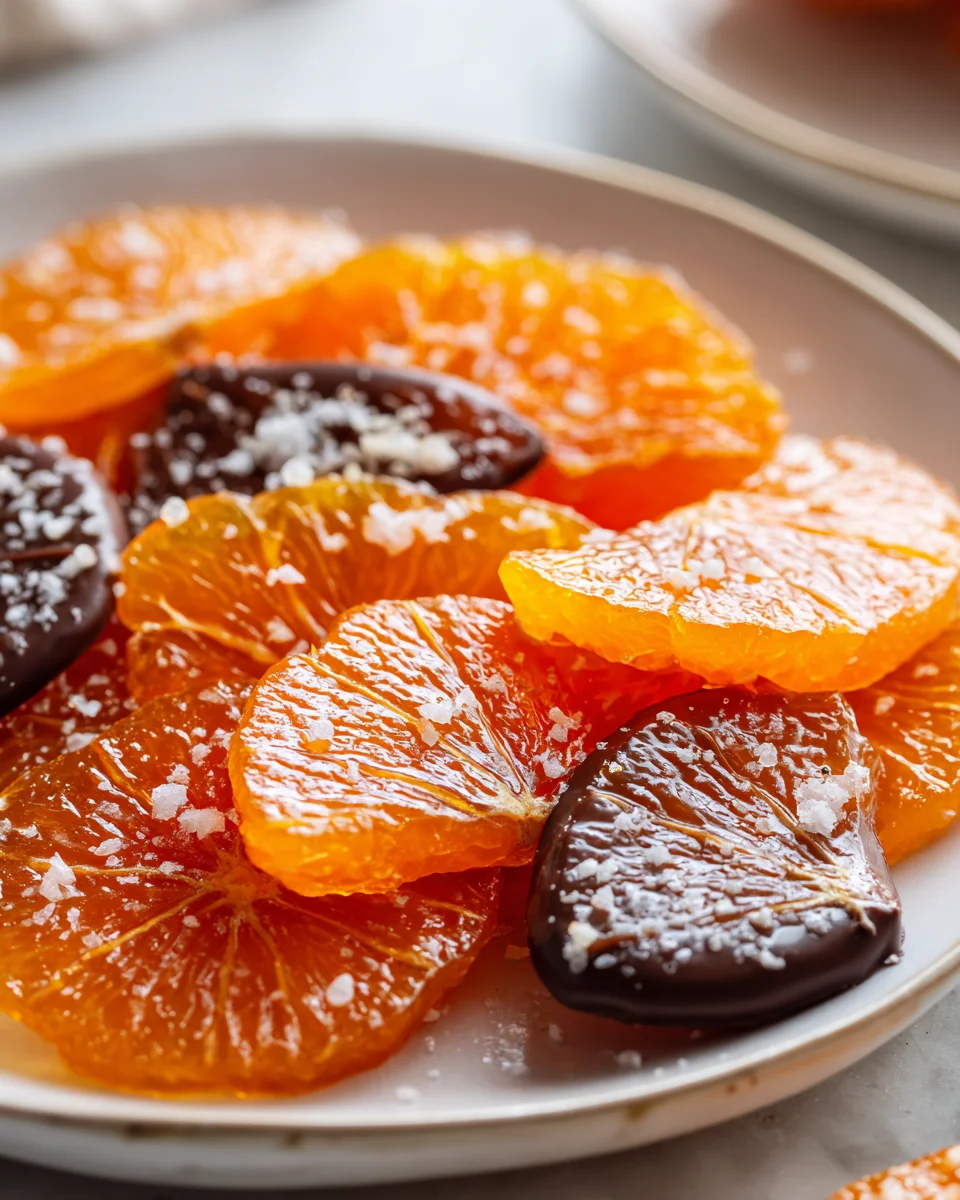
There’s something truly magical about transforming simple ingredients into a delightful treat right in your own kitchen. And when it comes to capturing the bright essence of sunshine in a bite, I find that the Classic Homemade Orange Candy Recipe truly shines.
I absolutely adore how this recipe brings that vibrant, citrusy burst to life. It’s not just candy; it’s a little piece of joy, a cheerful splash of color and flavor that brightens any day. The process itself is so rewarding, and the end result? Pure, sweet, tangy perfection that tastes wonderfully authentic.
I really hope you give the Classic Homemade Orange Candy Recipe a try. Whether you’re making it for yourself, to share with friends, or as a lovely homemade gift, I promise you’ll find immense satisfaction in creating these beautiful, delectable orange gems. Get ready to experience the delightful charm of homemade candy!

Best Classic Orange Candy Recipe – Homemade & Bursting with Flavor
- Total Time: 45 minutes
- Yield: Approximately 20 pieces 1x
Description
This Classic Homemade Orange Candy Recipe transforms simple ingredients into a vibrant, chewy treat bursting with fresh orange flavor. Perfect for gifting or indulging, these candies are a delightful addition to any occasion.
Ingredients
- 2–3 medium Freshly Squeezed Oranges (for juice)
- Granulated Sugar
- Water
- Orange Zest
- Light Corn Syrup
- Orange Food Coloring (Optional)
- Citric Acid (Optional but Recommended)
- Powdered Sugar (for dusting)
Instructions
- Step 1: Prepare Your Work Area – Gather all your ingredients and equipment, including a heavy-bottomed saucepan, a candy thermometer, a silicone baking mat or parchment paper, and your chosen molds if using.
- Step 2: Combine and Dissolve – In your heavy-bottomed saucepan, combine the granulated sugar, water, freshly squeezed orange juice, orange zest, and light corn syrup. Stir over medium-low heat until all the sugar has completely dissolved.
- Step 3: Boil to Hard Crack Stage – Increase the heat to medium-high and bring the mixture to a boil. Insert your candy thermometer and boil until it reaches the hard crack stage (300°F to 310°F).
- Step 4: Add Flavor and Color – Remove the saucepan from heat and stir in the orange food coloring and citric acid if using. Be cautious as the hot syrup will bubble and steam.
- Step 5: Pour the Candy – Quickly pour the hot candy syrup into prepared molds or onto the greased silicone mat/parchment paper.
- Step 6: Cool and Finish – Allow the candy to cool completely at room temperature for 1-2 hours. Once cooled, remove from molds or break into pieces and dust with powdered sugar.
- Prep Time: 15 mins
- Cook Time: 30 mins
- Category: Candy
- Method: Boiling
- Cuisine: American
Nutrition
- Serving Size: 1 piece
- Calories: 50
- Sugar: 12 g
- Sodium: 0 mg
- Fat: 0 g
- Saturated Fat: 0 g
- Unsaturated Fat: 0 g
- Trans Fat: 0 g
- Carbohydrates: 13 g
- Fiber: 0 g
- Protein: 0 g
- Cholesterol: 0 mg
Keywords: Invest in a good candy thermometer for consistent results. Choose a dry day to avoid sticky candy, and avoid stirring after boiling to prevent crystallization.